

Choosing between a live band and a DJ comes down to five factors: your audience, the type of event, your budget, the venue, and the atmosphere you want. This guide walks through the pros and cons of each, when to combine both, and what to plan once you’ve decided.
Understanding your event
Before comparing acts, settle the basics that determine which format fits.
- Audience: a multi-generational wedding crowd has different tastes than a group of friends at a birthday. Consider age range and musical preference before narrowing the format.
- Event type: a formal reception calls for a different approach than a backyard barbecue. Corporate events often need a mix of background music and dance-floor energy.
- Budget: live bands generally cost more than DJs given the number of performers and equipment involved. Set your number early, including travel, setup, and break costs.
- Venue size and logistics: a large ballroom accommodates a full band; a smaller venue often suits a DJ’s compact setup better. Check power access, stage space, and any venue noise restrictions.
- Atmosphere: a live band brings dynamism and visual presence; a DJ brings flexibility across musical styles.
Also read: What you need to know before hiring interactive performers for large events
The live band experience

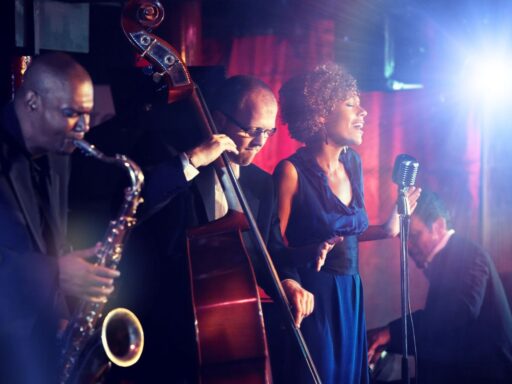
A live band brings stage presence, direct audience interaction, and a visual element a DJ can’t fully replicate. The trade-off is cost and repertoire: bands typically charge more than DJs, and their song selection is limited to what they rehearse.
Pros
- Energy: a live performance brings excitement a recording can’t match.
- Personalization: bands can often tailor sets to your preferences and take requests.
- Audience interaction: a band engages the crowd directly, which tends to make the event more memorable.
- Visual appeal: watching musicians perform adds a dimension recorded music doesn’t.
Cons
- Higher cost: bands are generally more expensive than DJs.
- Limited repertoire: a band’s song list may not cover every genre you want.
- Logistics: space, power, and setup are more complex than a DJ booth.
A live band fits best at events where elegance or a specific musical genre matters: weddings, formal galas, and themed parties like a swing or jazz night.
Questions to ask a live band
- Repertoire: can they play the genres and songs you want? Ask for a song list or demo.
- Experience: how many events have they played, and have they worked an event like yours?
- References: ask for past clients you can contact.
- Pricing: get a full breakdown, including travel, setup, breaks, and overtime.
The DJ experience

A DJ offers a far wider music library, more budget flexibility, and the ability to read the room and adjust in real time. The trade-off is a less “live” feel, since even an engaging DJ works with pre-recorded tracks rather than an in-the-moment performance.
Pros
- Wider selection: DJs draw from large libraries spanning genres and eras.
- Cost-effective: generally more affordable than a live band.
- Flexibility: can adapt the set list to the room and take requests on the fly.
- Crowd reading: skilled DJs adjust energy and pacing throughout the night.
Cons
- Less “live” interaction: lacks the dynamic presence of musicians performing.
- Less personalized: even with requests, it’s a different experience than a live set.
A DJ fits best where musical variety matters more than a specific genre: birthday parties, corporate events with mixed tastes, school dances, and casual gatherings.
Questions to ask a DJ
- Music library: what genres do they specialize in, and can they share a playlist or mix?
- Experience: have they played events like yours, and are they comfortable with your specific requests?
- Equipment: what sound and lighting do they bring, and is there backup gear?
- Pricing: get a full breakdown, including travel, setup, overtime, and special requests.
Making the final decision
| Factor | Live Band | DJ |
|---|---|---|
| Cost | Higher | Lower |
| Music variety | Limited to repertoire | Wide selection |
| Personalization | Tailored performances | Pre-recorded, by request |
| Energy | Dynamic, live | Flexible, adaptable |
| Interaction | Direct | Indirect but responsive |
| Logistics | More complex | Simpler |
| Best for | Formal events, specific genres | Diverse crowds, tighter budgets |
How other events have decided
- Wedding: a jazz trio for the cocktail hour and a high-energy band for the dance floor, for an elegant, celebratory feel throughout.
- Corporate conference: a DJ playing a broad mix to suit a large, varied attendee list and keep energy up between sessions.
- Milestone birthday: a DJ taking requests, keeping the format casual and inclusive.
Combining both
Plenty of events use both: a live band or a smaller ensemble for the cocktail hour or dinner, then a DJ for the dance floor. This gets the elegance of a live set and the wider playlist and lower relative cost of a DJ for the rest of the night.
Beyond the choice

Once you’ve picked a format, a few things decide whether the night runs smoothly.
- Sound and lighting: confirm what the performer provides versus what you need to rent, and discuss requirements well in advance.
- Event coordination: build a timeline covering setup, performance schedule, breaks, and announcements, especially important with multiple vendors on site.
- Contracts: get fees, payment schedule, date, location, equipment, and cancellation terms in writing before the event.
For the cost side of this decision in more detail, see our companion guide: Compare costs: live band vs DJ for memorable events.
Also read: How to hire the perfect band or musician for your wedding
Frequently asked questions
Should I get a live band or a DJ for my event?
It depends on your budget, venue, and the atmosphere you want. A live band suits formal events and genre-specific themes; a DJ suits events with a mixed-taste crowd or a tighter budget. Many events use a band for part of the night and a DJ for the rest.
Can I have both a live band and a DJ at my event?
Yes. A common approach is a live band or smaller ensemble for the cocktail hour or dinner, then a DJ for the dance floor afterward, combining the elegance of a live set with a DJ’s wider playlist.
How do I plan a live DJ event?
Confirm the DJ’s equipment and backup gear, build a timeline covering setup and performance schedule, and put fees, payment terms, and cancellation policy in writing. Discuss sound and lighting needs with the venue in advance.
What questions should I ask before booking a band or DJ?
Ask about repertoire or music library, experience with events like yours, references, equipment and backup plans, and a full pricing breakdown including travel, setup, and overtime.
Book a band or DJ